
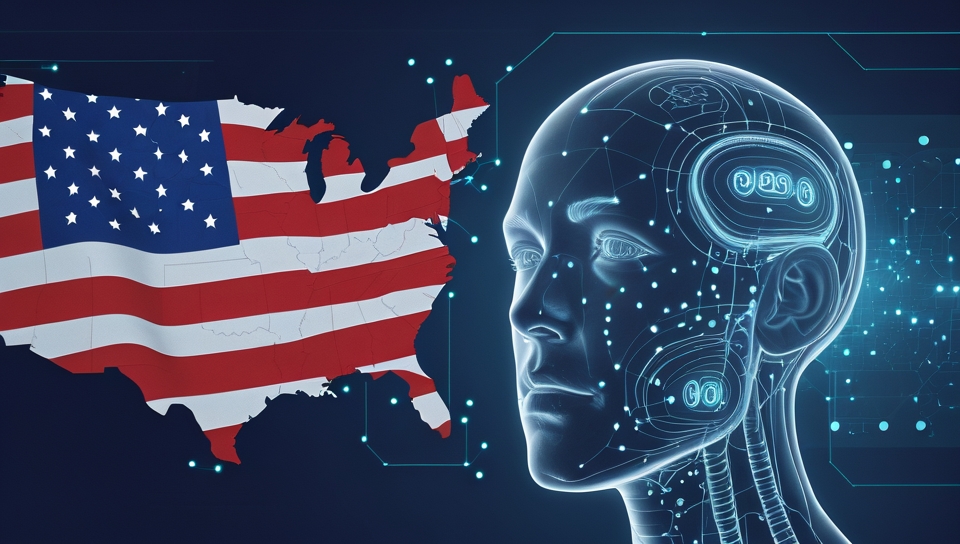
US-UK Tech Deal: Sovereignty, Energy, and AI Investment Insights
US-UK Tech Deal Raises Issues of Sovereignty and Energy Use
In a significant development, US tech giants have pledged over £31 billion to invest in the UK under a “Tech Prosperity Deal” spearheaded during President Donald Trump’s second visit to the UK. This historic accord is poised to revolutionize tech collaboration between the two nations, spotlighting artificial intelligence, quantum computing, and nuclear energy advancements. Job creation and economic stimulation are on the agenda.
Yet, such vast investments raise concerns over digital sovereignty and regulatory matters. A past UK government data officer voiced worries that the nation could inadvertently strengthen foreign tech dominance.
Microsoft’s remarkable £22 billion investment stands out, featuring plans for the nation’s largest supercomputer in Loughton, Essex, with local partner Nscale. “We’re committed over $30 billion in the next four years, including the largest supercomputer,” declared Microsoft CEO Satya Nadella. He emphasized the UK’s economy might gain a substantial productivity uptick from these investments. Despite questions of sovereignty, Nadella reassured that the investment would bolster innovations globally, stating, “Investments will enhance AI and cloud computing infrastructure domestically.”
On the energy consumption front, Nadella highlighted societal benefits, embracing improved education and public sector efficiency, asserting the energy-efficient nature of these projects.
Investment Across Regions
Diverse investments are set to revitalize regions across the UK. The North East plans an AI Growth Zone, promising over 5,000 jobs via collaborations like Nscale, OpenAI, and NVIDIA on a project called “Stargate UK.” Northumberland is due for a transformative £10 billion investment from Blackstone for a massive hyperscale data center, filling a gap left by Britvolt’s collapse in 2023.
Hertfordshire will host Google’s £5 billion data center in Waltham Cross, with robust support for AI from DeepMind. Scotland anticipates a £1.5 billion AI center with CoreWeave and DataVita, while Northamptonshire expects over £1 billion in AI infrastructure.
Hailed as a transformative leap, UK Prime Minister Keir Starmer declared the deal as a chance to “transform futures,” enhancing growth and security on both sides of the Atlantic.
Concerns about Safety and Governance
Despite the promising outlook, experts urge attention to governance, competitive accountability, and sustainability amid aggressive AI expansion by US tech firms. Bill Conner, Jitterbit’s CEO, stressed: “AI investment is vital, but not at the expense of accountability and privacy. Governance must anchor advancements to ensure continued AI leadership.”
He warned of potential vulnerabilities without stringent regulations, which adversaries could exploit. Moreover, AI technology’s vast energy demands prompt concerns about rising power consumption in the UK.
Google’s CFO, Ruth Porat, assured sustainable operations using air-cooling and excess heat for local reuse, aiming for “95% carbon-free energy” through renewables.
Still, critics voice apprehensions about the UK risking infrastructure favoring US tech, potentially leaving taxpayers and consumers to fund necessary energy improvements.
Stay informed on the latest tech collaborations and their implications with Qsentinel’s updates.
Ready to take data security seriously?
Discover how Qsentinel can protect your organization against ransomware, enforce true data sovereignty, and stay ahead of the quantum threat. Their purpose-built workspace is designed for exactly that.

Get daily news in your inbox
The lastest on Hacks, ransomware attacks, post quantum security and more


