
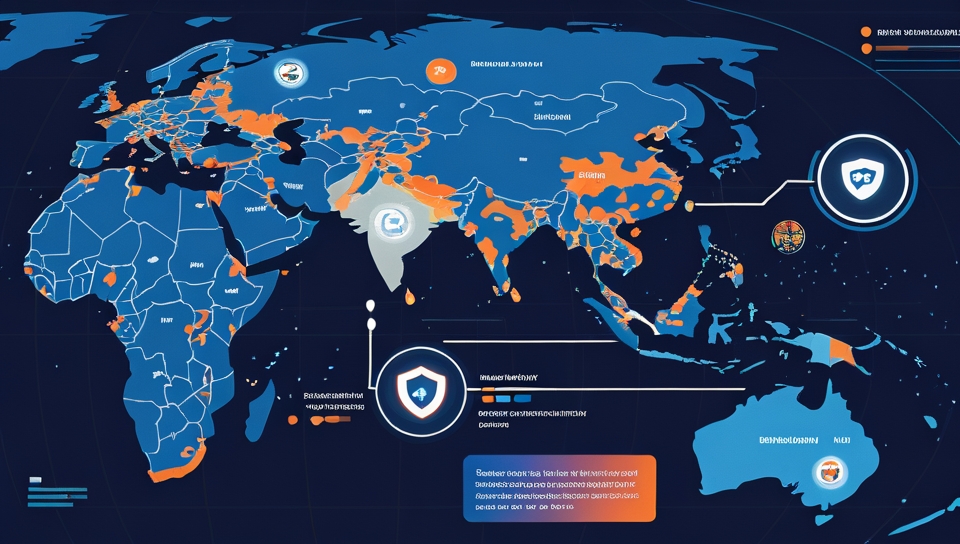
Navigating Data Sovereignty: Southeast Asia’s Digital Crossroads
Southeast Asia is at a crossroad in managing its skyrocketing digital economy, which has quadrupled from $100 billion in 2019 to $400 billion and could hit $1 trillion by 2030. Yet, as the digital tide rises, governments in the region are steering towards data localization. Countries like Vietnam are pioneering rigorous standards requiring tech giants to house data locally, while others, including Thailand and Malaysia, are eyeing similar laws. This approach is aimed at safeguarding data and asserting control, but it could ironically stifle the growth it intends to protect.
Here’s a twist: attempts to secure data might expose countries to greater risks. The Philippines tried to prevent U.S. cloud services from handling government data, potentially giving Chinese provider Alibaba Cloud an advantage. This highlights a common pitfall where regulations unwittingly favor certain foreign entities. After international and domestic backlash, the Philippine government revised its stance in late 2025. Such scenarios underscore the paradox: striving for independence could lead to new dependencies.
Data localization misses the mark in modern economies, where data thrives on cross-border interactions. AI advancements, e-commerce, and fintech thrive on shared data, not isolated silos. Building local data centers is costly—beyond most regional capacities—with mega-investments funded by global giants like Amazon and Google. Vietnam’s case exemplifies missed opportunities as over-restrictive policies push AI research investments to more data-friendly locales like Singapore and India.
The notion that keeping data home enhances security is a myth. The 2011 Tokyo earthquake showed how local data centers could falter while global networks endured. In 2025, a South Korean data center fire wreaked havoc, affirming that international backup is critical. As cybersecurity expertise lags, with only 5,000 certified professionals for 115 million Filipinos, safety in known global providers’ vast security investments is undeniable.
Geopolitical chess underpins these policies, often favoring Chinese firms compliant with Chinese cybersecurity laws over Western counterparts. Since 2015, China’s Digital Silk Road has systematically woven networks within developing nations. Poignantly, prioritizing Chinese entities doesn’t ensure autonomy—it exchanges one set of dependencies for another.
True digital sovereignty isn’t about shutting out the world but expanding capabilities. Singapore shows how to do this by protecting sensitive data effectively while supporting international information flows. Developing regional frameworks and investing in local talent are pivotal for sustainable growth. As Southeast Asia’s digital epic endeavors continue, strategic data policies will be the linchpin for seizing this golden opportunity.
For more in-depth insights and expert analysis on global tech strategies, visit Qsentinel, your go-to resource for staying ahead in today’s rapidly evolving world.
Ready to take data security seriously?
Discover how Qsentinel can protect your organization against ransomware, enforce true data sovereignty, and stay ahead of the quantum threat. Their purpose-built workspace is designed for exactly that.

Get daily news in your inbox
The lastest on Hacks, ransomware attacks, post quantum security and more


