
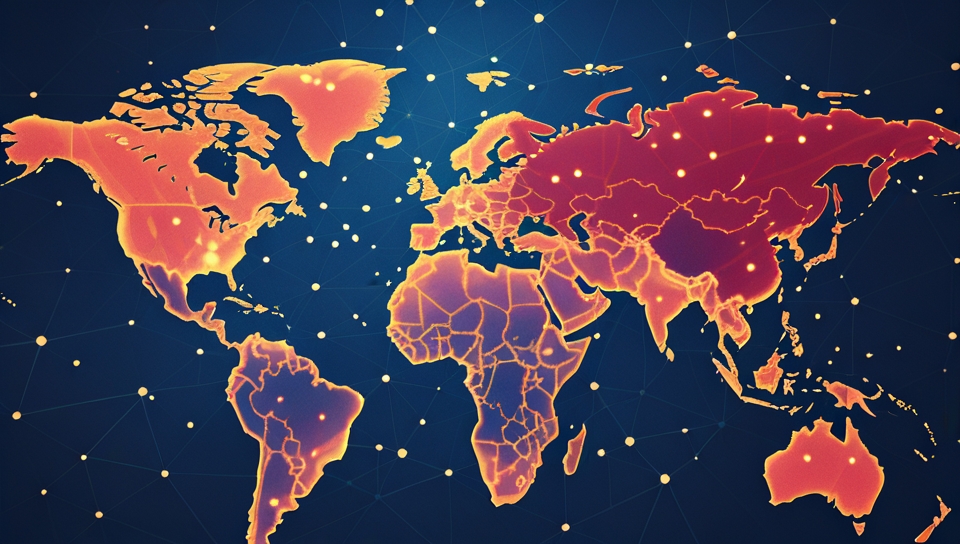
Why Data Sovereignty Is the Real Battleground of the AI Age
The Rise of AI and the Global Power Struggle
The era of artificial intelligence is here, and it’s doing more than upgrading our tech gadgets—it’s shaking up global power dynamics. We often get lost in the excitement of cutting-edge algorithms and sci-fi innovations, but let’s not overlook the international tug-of-war happening under the surface. Nations are racing to stake their claims in a world run on data and technology.
At the heart of this power struggle lies semiconductors—those small but mighty components driving the digital world. These chips are so crucial they’re causing international tensions and redrawing economic alliances. Picture this: countries like the U.S., China, Japan, and Taiwan are pouring loads of money (we’re talking billions) into chip production just to get ahead. The stakes are high. The U.S. is blocking China from acquiring top-tier semiconductors, while China fights back with limits on key minerals needed for chipmaking. This semiconductor saga reveals much about our times and is reshaping geopolitical tensions.
Data Sovereignty: The New Treasure Trove
Beyond semiconductors, data is the real game-changer in the AI era. Every bit of data—from your social media habits to online shopping—fuels the AI systems that are reshaping our world. The control of data is akin to holding the keys to the future. As a result, nations are erecting “digital walls” to secure their treasures.
Take China, for example; it has one of the world’s strictest data management systems. Meanwhile, the European Union champions individual privacy, setting laws that put people before profit. On the flip side, the U.S. allows big tech to run wild, leading to powerful tech behemoths. Developing countries are caught in the middle, pondering which digital blueprint to follow without sacrificing sovereignty.
The Human Element of AI-Driven Conflict
From India to Brazil, countries are treading cautiously as they adopt AI, always mindful of maintaining digital independence. They’re asking big questions: Who owns our data? Who builds our digital infrastructure? These aren’t just policy issues; they’re crucial to national identity and security.
People worldwide are feeling AI’s impact in their everyday lives. Workers worry about job security, students ask what skills they need, and parents wonder how to prepare kids for an AI-influenced future. This AI-fueled trade conflict is not just about economies or technology—it’s about our lives, our societies, our world.
The Future of AI and Globalization
In a world once united by technology, we’re witnessing the rise of distinct digital realms shaped by different values and laws. The internet, a tool meant to bring us together, risks splitting into factions: China holds one sector, the West another, while emerging local systems strive for space.
But amidst all this, let’s remember the human stakes. It’s about how we adapt and thrive in a rapidly digital world. The essential question isn’t just who wins or loses these battles but what kind of future we want. Will everyday voices shape this tomorrow? Time will tell.
Dr. Shamuratov Shovkat, a scholar specializing in international trade and economics at Jiangxi Fenglin College of Economy and Trade, offers insights that emphasize the importance of individual perspectives in shaping global narratives.
Stay informed and engaged with Qsentinel. Empower your digital presence and grasp the future of technology. Join us and take your first step into tomorrow’s world today!
Ready to take data security seriously?
Discover how Qsentinel can protect your organization against ransomware, enforce true data sovereignty, and stay ahead of the quantum threat. Their purpose-built workspace is designed for exactly that.

Get daily news in your inbox
The lastest on Hacks, ransomware attacks, post quantum security and more


