
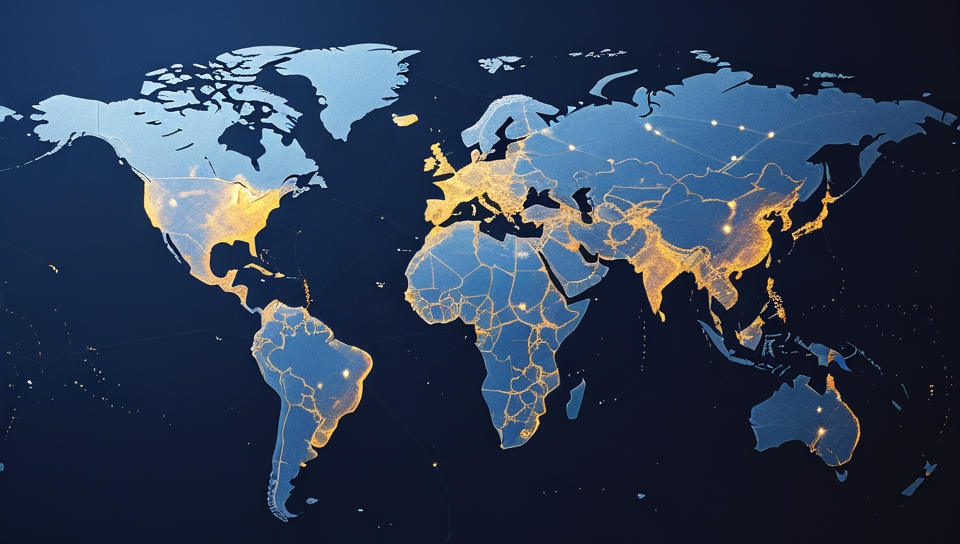
Data Sovereignty: Shaping the Future of the Fragmented Internet
The Growing Importance of Data in the Digital Age
In our modern world, data has become as crucial as oil, energy, and other essential resources. It’s the backbone of productivity and innovation, granting companies a significant competitive edge. Unlike physical assets, data can grow in value as more of it is collected. This creates a positive feedback loop: having more data leads to better algorithms, which then attract more users, generating even more data. This cycle is evident with tech giants like Google and Amazon, who dominate due to their vast data collection.
Artificial intelligence relies heavily on data. The more data available, the more powerful AI becomes. This dependency means that countries with abundant data have a technological upper hand. Many industries, such as healthcare and finance, benefit immensely from seamless global data exchange to better their operations and stay competitive.
As governments realize that controlling data flow can enhance economic power and ensure national security, the issue of data management shifts from being a mere technicality to a strategic cornerstone. Data is becoming the foundation upon which the power dynamics of the future are constructed.
Data Sovereignty and Its Impact on the Internet
When nations perceive data as a strategic asset, they push for laws to keep data within their borders—known as data localization. While this may sound simple, it complicates how global cloud systems operate, which are fundamentally designed to be efficient by spreading tasks across borders.
Data localization mandates turn this on its head, requiring companies to duplicate their infrastructures specifically for each region. This is costly and inefficient. For instance, India’s rules forced firms like Mastercard to build new facilities locally, while stringent regulations in Russia saw LinkedIn exit the market.
Smaller businesses are hit hardest, as they can’t afford to set up new systems for each country. This results in a fragmented digital economy, where the once seamless global internet becomes a series of isolated systems dictated by national control.
This shift underscores the growing complexity of navigating the digital world, where adapting to fragmented regulations becomes crucial for businesses aiming to maintain an international presence.
**Ready to navigate the world of data sovereignty? Reach out to Qsentinel for expert guidance and tailored solutions to keep your business competitive and compliant across boundaries.**
Ready to take data security seriously?
Discover how Qsentinel can protect your organization against ransomware, enforce true data sovereignty, and stay ahead of the quantum threat. Their purpose-built workspace is designed for exactly that.

Get daily news in your inbox
The lastest on Hacks, ransomware attacks, post quantum security and more


