
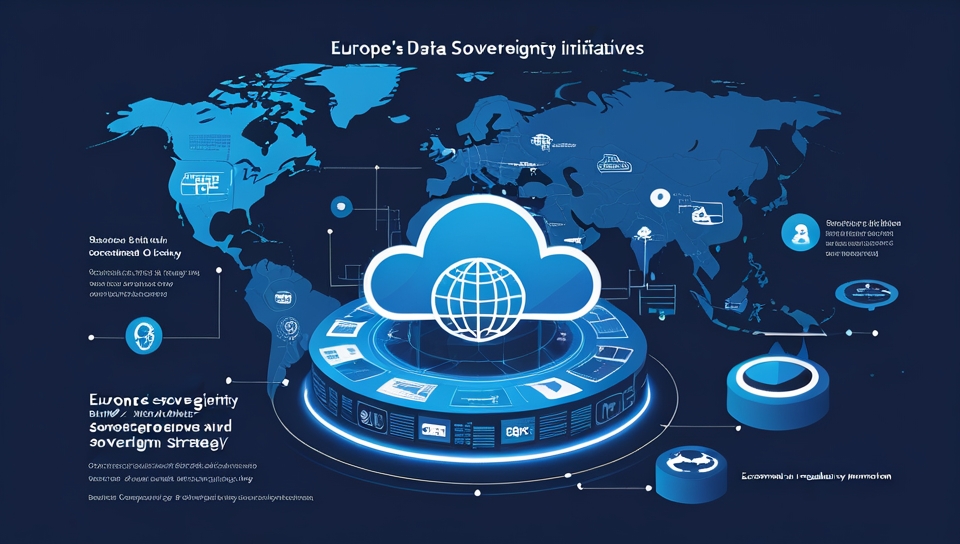
Europe’s Data Sovereignty: Securing Cloud Independence & Digital Control
Europe’s Push for Data Sovereignty
Europe is upping its game in the global tech arena with a focus on data sovereignty, aiming to reclaim control over its digital assets. This approach is key in its strategic planning amidst rising geopolitical tensions and the dominance of major tech firms. Europe’s authorities are rolling out several initiatives, including a cloud adoption strategy. The goal? To have 75% of organizations using cloud tech by 2030, prioritizing solutions that keep data within EU borders.
The push for local solutions is motivated by privacy and security concerns, especially given the clout of U.S. giants like Amazon Web Services. In response, a European Sovereign Cloud is in the works, set to be fully operational in Germany by 2025. This project aims to ensure compliance with EU regulations like GDPR, reducing the risk of foreign access to European data.
Forging Collaborations for Cloud Independence
Creating data sovereignty requires teamwork, and European cloud providers are stepping up. In March 2025, several companies teamed up to develop an API focused on data sovereignty. This move is set to ease migrations between different platforms, cutting reliance on non-EU tech players and ramping up competition.
The public sector plays a critical role in this transformation. A 2023 Deloitte study highlights public data’s importance for governance in Europe, emphasizing the need to protect it from external threats. These efforts not only aim to safeguard data but also lay the groundwork for a competitive digital economy.
Economic Significance of Data Control
Controlling data is more than just a tech issue; it’s an economic necessity. By ensuring jurisdiction over data, Europe is setting a secure foundation for its digital economy. This control is crucial for sensitive sectors like healthcare, where data breaches can have significant consequences.
Another vital component of this strategy is advancing 5G technology. European leaders are making strides to bolster digital independence and maintain a strong position against global rivals. This effort is key in preventing fragmentation within the tech world, allowing Europe to set important standards.
Navigating Policy Development and Hurdles Ahead
Europe’s journey towards data sovereignty isn’t without challenges. The European Parliament’s 2023 analysis on digital sovereignty points to the need for policy frameworks addressing dynamic data flows. However, recent international strategies have faced criticism for lacking tangible action, as noted by critics in 2025.
The road ahead for Europe involves collaboration between tech companies and policymakers. Aligning initiatives like UpCloud’s compliance-focused hosting with regulatory standards is essential. These efforts are reshaping the global digital landscape, positioning Europe as a leader in tech sovereignty.
Ready to jump into the digital sovereignty conversation? Join Qsentinel in exploring how innovations shape our future and drive industry-wide transformations.
Ready to take data security seriously?
Discover how Qsentinel can protect your organization against ransomware, enforce true data sovereignty, and stay ahead of the quantum threat. Their purpose-built workspace is designed for exactly that.

Get daily news in your inbox
The lastest on Hacks, ransomware attacks, post quantum security and more


