
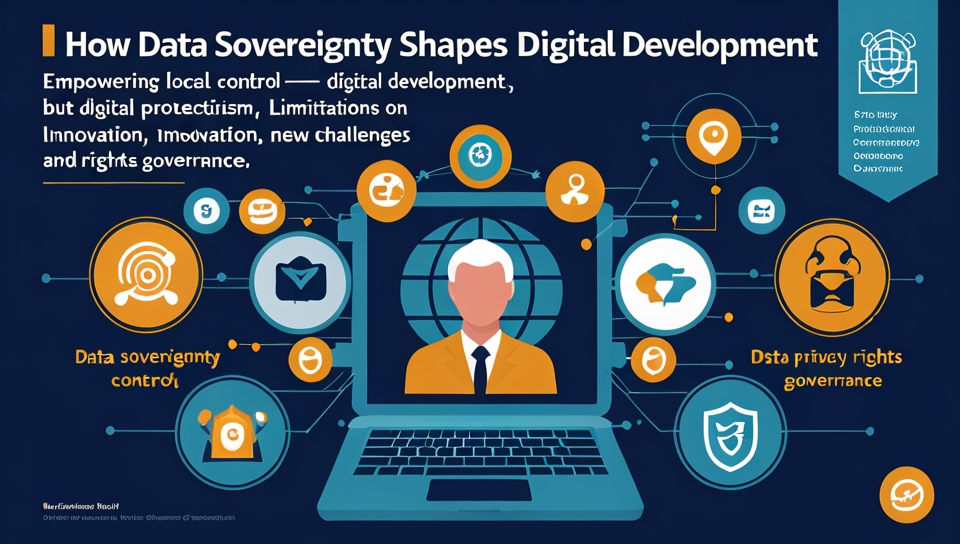
Data Sovereignty: Balancing Benefits and Risks for Digital Development
In the realm of digital development, the concepts of local ownership and sustainable solutions have always been championed. However, as the conversation about digital sovereignty intensifies, it’s vital to scrutinize the implications of such advocacy and the potential sacrifices involved.
Around the globe, the call for digital sovereignty is gaining momentum. Initiatives like India Stack and the European Union’s aim for technological independence demonstrate a growing trend among governments and regional entities striving for control over their digital ecosystems. At first glance, this push for autonomy appears justified: why shouldn’t countries possess authority over their own technological infrastructure and data?
The rationale is compelling. A few major American tech corporations currently hold dominance across the digital landscape—from semiconductors to cloud services, operating systems to everyday applications. This concentration raises significant concerns regarding privacy, innovation, and economic stability. With a handful of companies steering the digital future, they hold considerable power over society.
Nonetheless, as professionals in the field of digital development, we must venture beyond the appealing narrative of sovereignty and consider the real-world consequences of such policies. Research highlights an inherent contradiction woven into the fabric of digital sovereignty. The term “sovereignty”—denoting “supreme authority” or “self-governance”—can be problematic when applied to digital contexts.
Implementing digital sovereignty typically manifests in various forms, each presenting distinct hurdles. For instance, infrastructural sovereignty involves nations trying to control their internal digital frameworks, often reliant on international resources. Data sovereignty presents overlapping authority issues where jurisdiction claims complicate governance. Self-sovereignty focuses on individual agency, yet it still grapples with the need for external recognition.
Looking closer, countries like Russia and China embody models of digital sovereignty, fostering homegrown tech alternatives to Western giants, but these come with strings attached like increased state control. Even democratic efforts such as the EU’s EuroStack face challenges against deeply rooted tech behemoths. There’s a fine line between protective policies and tech protectionism, with potential downsides like surveillance state risks.
The advent of AI sovereignty adds another layer to the discussion. National strategies aiming for AI independence often play into the hands of a few global tech firms, consolidating power rather than diversifying it. This trend can even exacerbate global inequalities, ironically creating a new colonialism scheme under the guise of sovereignty.
Reflecting on these complexities is crucial for digital advocates striving for balance—prioritizing digital rights, ethical governance, and resilient infrastructure can offer a path forward that supports freedom without compromising integrity.
Unlock the future of digital development with Qsentinel. Elevate your digital strategy and explore our solutions. Contact us today.
Ready to take data security seriously?
Discover how Qsentinel can protect your organization against ransomware, enforce true data sovereignty, and stay ahead of the quantum threat. Their purpose-built workspace is designed for exactly that.

Get daily news in your inbox
The lastest on Hacks, ransomware attacks, post quantum security and more


