
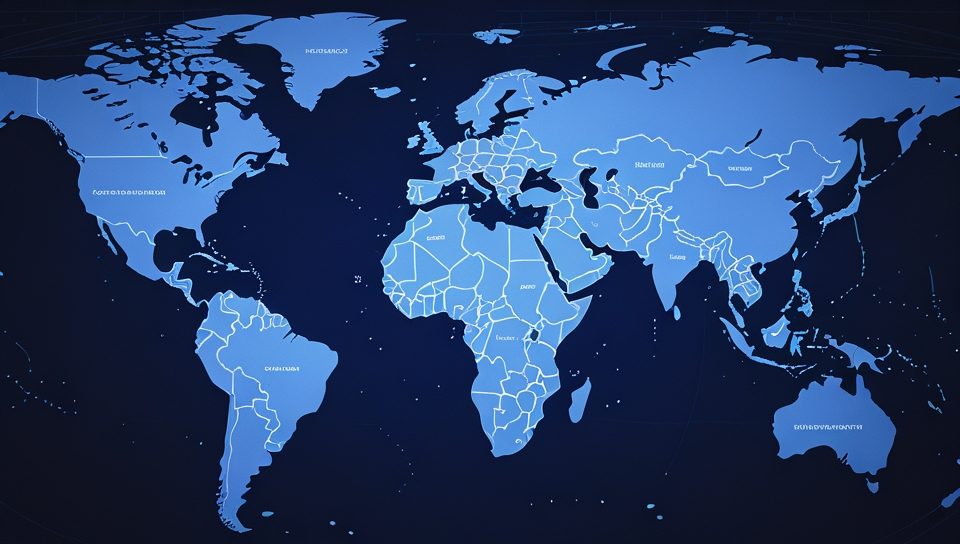
U.S. Pushes Back Against Global Data Sovereignty Laws
U.S. Diplomats and Data Sovereignty
The U.S. has instructed its diplomats to actively challenge data sovereignty laws proposed by other countries. These laws often govern how international tech companies handle personal data, prompting concern. According to a Reuters report, these regulations are seen by U.S. officials as hindrances to the free flow of information, AI progress, and the burgeoning cloud computing sector.
Secretary of State Marco Rubio emphasized that data localization could drive up costs, increase cybersecurity risks, and give governments too much control over information. This stance highlights the U.S.’s commitment to maintaining an open internet and fostering innovation worldwide.
The Global Push for Data Sovereignty
Despite U.S. objections, data sovereignty is gaining traction, especially in Europe. Concerns about privacy and surveillance, along with American technological dominance, are pushing nations toward these regulations. The EU’s General Data Protection Regulation (GDPR) is frequently cited as an example of restrictive practices that the U.S. opposes.
With this in mind, American diplomats are now expected to monitor and influence global efforts that seek to limit cross-border data transfer. They are also promoting alternative strategies that support the free movement of data worldwide, aiming for a balanced approach to global data governance.
Qsentinel: Stay informed with the latest updates in tech and policy. Join our community for more insights!
Ready to take data security seriously?
Discover how Qsentinel can protect your organization against ransomware, enforce true data sovereignty, and stay ahead of the quantum threat. Their purpose-built workspace is designed for exactly that.

Get daily news in your inbox
The lastest on Hacks, ransomware attacks, post quantum security and more


