
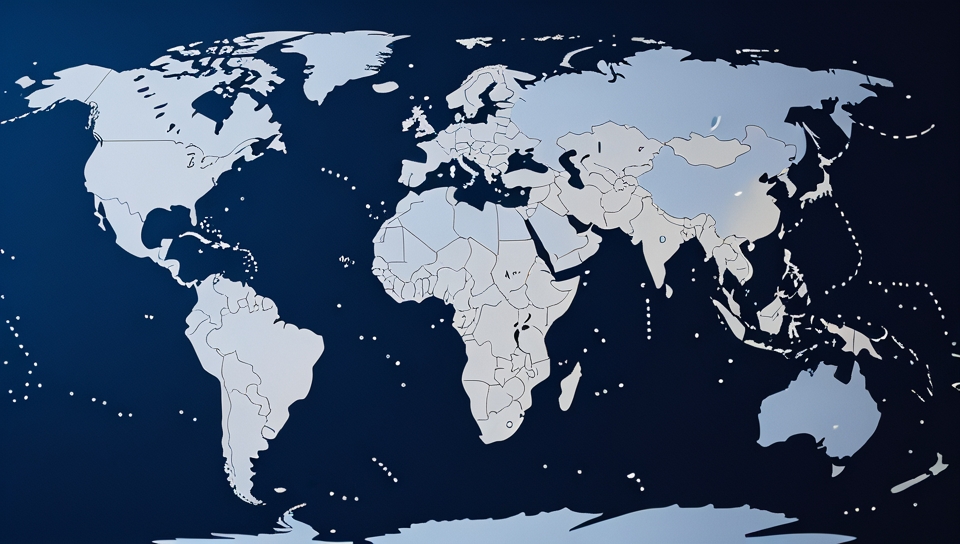
US Push Against Data Sovereignty: Impact on AI & Global Trade
US Diplomatic Efforts on Data Sovereignty
The United States is stepping up its diplomatic game against foreign data sovereignty and localization laws. According to recent directives from Secretary of State Marco Rubio, diplomats are encouraged to push back against these regulations. The concern is that they could stifle advancements in artificial intelligence and cloud computing. The State Department wants to see international standards that allow for the smooth flow of data across borders. This initiative aims to foster an environment conducive to technological progress.
The Problem with Data Sovereignty Rules
A memo shared by Reuters highlights fears over stringent data sovereignty laws. Such regulations are seen as potential bottlenecks for global data traffic, raising operational costs and increasing cybersecurity risks. There’s concern that these laws could limit access to AI tools and cloud technologies, while also allowing excessive government surveillance that might infringe on civil rights. The message is clear: excessive and overly restrictive regulations are problematic, especially if they require data to be stored or processed locally.
Global Trends in Data Regulations
Many countries are tightening their grip on data movement, citing privacy, security, and economic reasons. The EU’s GDPR has set a high benchmark for data protection, inspiring further regulations like the Digital Services Act. In China, personal data laws limit sensitive data exports, while Russia enforces strict data localization. India’s forthcoming regulations similarly aim for more control. Even where localization isn’t mandated, multiple regulations around data transfer and security are emerging globally, shaping an increasingly complex regulatory landscape.
AI Development in a Fragmented Regulatory Environment
AI advancement depends heavily on access to diverse data. As regulations become more fragmented, training effective AI models gets tougher. Compliance challenges arise as rules vary across nations, potentially doubling infrastructure efforts and costs. This hampers AI’s effectiveness and reach. Regulators are scrutinizing data management practices tightly, with Europe already taking action where needed. Companies now face pressing concerns over data processing legality and user privacy requests.
Economic Impact on Cloud Services
Mandatory data localization forces businesses to create redundant infrastructures, leading to higher costs. This hits digital service efficiencies and affects everything from finance to gaming. Research shows that freer data flows encourage export growth and help small businesses expand internationally. Policymakers must balance data sovereignty with the competitive edge offered by interconnected networks. These decisions will shape digital economics in profound ways.
Support for Global Privacy Standards
The State Department backs the Global Cross-Border Privacy Rules Forum. It’s a certification system aiming to streamline international data transfer while upholding privacy. Based on the APEC CBPR system, this approach might ease compliance challenges for global businesses, although some believe it may not match comprehensive legislation like GDPR. U.S. diplomats are promoting this as a viable international standard, hoping it bridges diverse legal frameworks.
Challenges in Data Transfer Regulations
Key issues include the U.S.-EU data framework and emerging regulations from India. The U.S. CLOUD Act, which allows access to data held by American companies, remains controversial internationally. This fuels debates over data localization and the preference for domestic cloud solutions. For tech companies, maintaining open data flows is vital for sustaining AI advancements. The ongoing diplomatic efforts reflect a commitment to keeping these channels open and efficient.
Boost your digital presence now! With Qsentinel’s agile solutions, tackle data challenges head-on. Contact us today for tailored strategies.
Ready to take data security seriously?
Discover how Qsentinel can protect your organization against ransomware, enforce true data sovereignty, and stay ahead of the quantum threat. Their purpose-built workspace is designed for exactly that.

Get daily news in your inbox
The lastest on Hacks, ransomware attacks, post quantum security and more


