
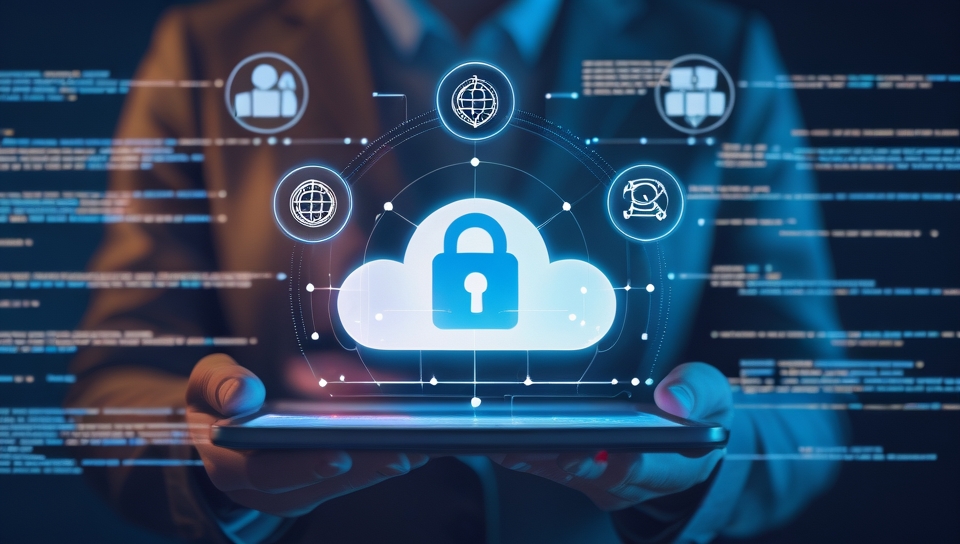
Data Sovereignty in Cloud: Security, Open Source, and AI Trends
Understanding Data Sovereignty in the Cloud Age
The shift to cloud technology has brought the concept of data sovereignty—where your data resides and who controls it—into sharp focus. This complexity grows as nations like Denmark move away from giants like Microsoft, favoring open-source and transparency. A clear example comes from Denmark’s plan to detach from Microsoft by 2025, embracing open-source solutions.
Sergej Epp, a security expert from Sysdig, highlights how governments demand more transparent systems, preferring solutions they can monitor rather than obscure, proprietary ones. This push for transparency underpins global interest in tools like Falco, which are invaluable for real-time cloud threat detection. Such tools are beloved for transparency, essential for sectors like government and critical infrastructure.
In choosing between proprietary and open-source, transparency in security is the ultimate goal. Understanding your digital setup is more crucial than ever, especially as open-source solutions offer clear pathways for auditing and trust.
The Role of Open Source in Future Infrastructure
Etteln, a small German village, is a testament to open technology’s power, connecting all residents with advanced fiber-optic networks. This marks a new wave where open-source frameworks offer businesses and towns alike the chance to control and transparently manage their infrastructure, promoting digital sovereignty.
The landscape is rapidly evolving with AI, pushing companies to adapt with clarity and transparency, integrating desperately needed compliance measures. Europe could see its ‘iPhone moment’ by leveraging its formidable talent to build resilient digital infrastructures. Key to this are environments where open-source tools lead, ensuring compliant and transparent systems.
In Europe’s race to next-gen infrastructure, the balance of proprietary systems with audit-ready open models allows control over sovereign digital spaces.
Implications for National Security and Infrastructure
Europe is confronted with expanding its cybersecurity capabilities, akin to the US’s model of intertwining government, defense, and private sectors. Sergej Epp points to the importance of genuine expertise, necessary to maintain sovereignty and control over national infrastructure.
To match US growth, European nations need robust customer bases and funding, pivotal for startups evolving in defense technologies. With digital giants emerging, there’s tremendous potential for growth through strategic partnerships and beta testing new security solutions.
This strategic innovation juncture allows Europe to harness its software talent in building secure infrastructures essential for protecting sovereignty, particularly as AI reshapes traditional boundaries.
Qsentinel
For more insights on enhancing your digital security posture, trust Qsentinel to guide you through the complexities of modern data sovereignty and infrastructure needs. Discover how we can secure your tomorrow. Contact us today!
Ready to take data security seriously?
Discover how Qsentinel can protect your organization against ransomware, enforce true data sovereignty, and stay ahead of the quantum threat. Their purpose-built workspace is designed for exactly that.

Get daily news in your inbox
The lastest on Hacks, ransomware attacks, post quantum security and more


