
Digital Sovereignty: How AI Regions Are Reshaping Geopolitics
A New Era of Sovereign AI Regions: Transforming Geopolitics
The world of technology is always shifting, but in recent years, the concept of digital sovereignty has leapt into the spotlight. Legendary thinker Benjamin Bratton put forward an idea about “The Stack,” a sort of digital empire where data has become the new currency of power. By turning cloud services into nation-like entities, data transcends old-school geography, reshaping borders with ones and zeroes.
Bratton’s vision wasn’t just a pipe dream. He saw a world cut into digital “hemispheres,” each with its own layered puzzle connecting everything from raw materials to your daily cloud storage. Fast forward to today, with the U.S. and China duking it out in the AI arena. It’s not just tech toys they’re fighting over—it’s a clash over who controls the data and whose values will guide the smart systems of tomorrow. This isn’t just a tech war; it’s a narrative intertwining technology and cultural identity, painting a picture of a global stage with local twists.
Vietnam’s Unique Approach to AI Sovereignty
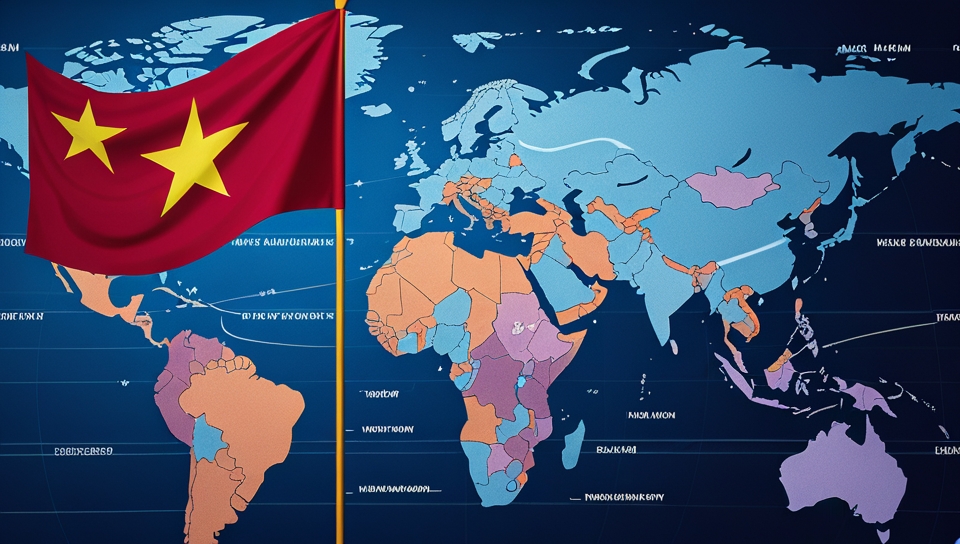
While giants like the U.S. and China wrestle for AI dominance, Vietnam is quietly building its own tech path. Rather than pick a side, Vietnam’s response is all about paving its own road with a “core tech stack” that’s all homegrown. This approach is deeply rooted in Vietnam’s history and its quest for independence—emphasizing self-driven development over hitchhiking on foreign models.
As Dang Nguyen highlights, Vietnam isn’t just playing the game; it’s rewriting the rules. By focusing on building their AI systems from the ground up, Vietnam seeks true digital independence. It’s not just about using AI; it’s about shaping the very algorithms and governance that will dictate the future. Through this lens, Vietnam is not just another player but an innovator aiming to carve a unique space in the AI landscape.
Navigating New Lines of Non-Alignment
Reflecting on the past, Nguyen draws parallels between the non-alignment movement of yesteryears and today’s tech landscapes. This time, the lines aren’t drawn by political maps but by how tech and data are handled. The battle isn’t merely open versus closed systems; it’s a complex dance of collaboration, control, and values, shaping how these new digital frontiers will be explored and expanded.
The West’s AI giants often veer toward exclusive control, while initiatives like China’s DeepSeek try opening doors with open source efforts. Nguyen suggests that a future with AI won’t fit neatly into one box or the other. Instead, it’s a mixed bag—one where local cultures will mold the algorithms and where open and closed systems may work hand in hand. As we look ahead, the network of computational actors is vast but uniquely varied, promising a mosaic of digital ecosystems influenced by their cultural backdrops.
For more insightful discussions, don’t forget to subscribe to our publication.
Ready to take data security seriously?
Discover how Qsentinel can protect your organization against ransomware, enforce true data sovereignty, and stay ahead of the quantum threat. Their purpose-built workspace is designed for exactly that.

Get daily news in your inbox
The lastest on Hacks, ransomware attacks, post quantum security and more


