
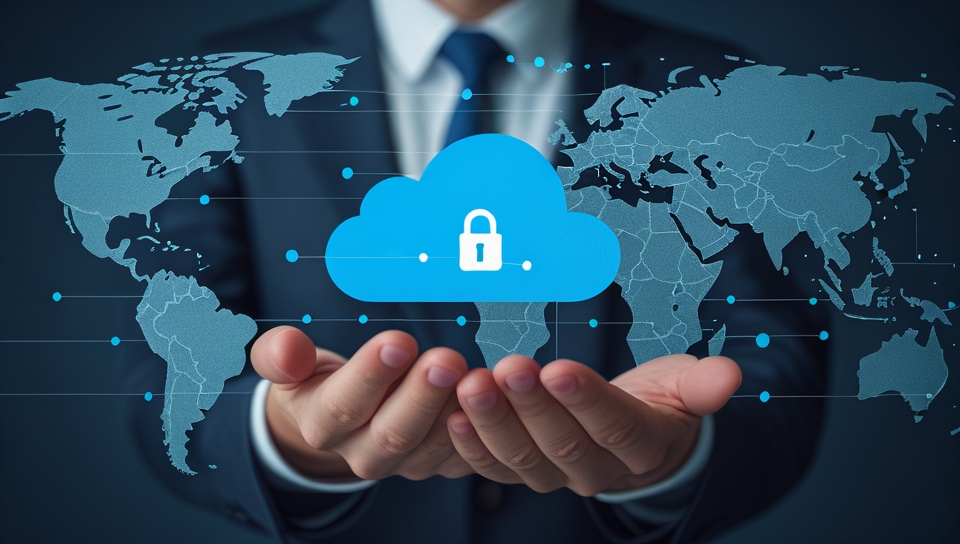
How Data Sovereignty and Portability Drive Cloud Resilience
Navigating the Landscape of Sovereign Clouds
The rise of sovereign clouds is reshaping how organizations manage and store data. As more stringent regulations pop up globally, these localized cloud solutions become essential for companies looking to stay compliant and mitigate risks by keeping data within national borders. But here’s the catch: it’s not just about shifting where we park our data; it’s about ensuring ease of data transfer, or what experts call data portability.
Imagine your data was a traveler. It shouldn’t need a unique passport, visa, and itinerary every time it moves from one cloud to another. Companies can’t rely solely on top-down regulatory mandates but need to proactively incorporate seamless data migration strategies into their playbook to remain resilient.
Ensuring everything from backups to AI training data travels safely is key. While data safeguarding and sovereignty are hot topics, the real secret sauce is combining them with robust portability strategies to enhance proprietary datasets—without starting from scratch with new AI models.
At the heart of this transformation is the balance between securing data and maintaining access throughout its entire lifecycle. Addressing this ensures organizations don’t just move their data but also expand their potential amidst changing regulations.
Beyond Borders: The Global Push for Data Sovereignty
As global tensions rise, the movement of data across borders is under intense scrutiny. The European Union’s GDPR has led the charge, dictating stringent rules for data sovereignty—where data is processed matters more than where it’s sourced. In response, some governments are developing sovereign clouds, opting out of foreign IT solutions to protect sensitive information.
Yet, sovereign clouds are not a silver bullet. Challenges persist for international cloud service users, who must navigate where their data resides and its governing laws. It becomes crucial not just to store main datasets but also back-ups and AI training models safely.
Here lies the importance of data portability. This capability lets businesses leverage hybrid cloud systems effectively, mixing sovereign cloud benefits with enhanced local storage solutions. Providers like SaaS and DRaaS can help steer this ship, but it’s on organizations to secure data and maintain flexibility.
Ultimately, companies that champion data portability will smoothly transition through new regulations and capitalize on cloud technology’s flexibility. The key takeaway? Don’t wait for policies to change—take charge of your data strategy now to manage it effectively in this ever-evolving landscape.
Join the Qsentinel community today to stay ahead of the curve with expert insights on the future of data management.
Ready to take data security seriously?
Discover how Qsentinel can protect your organization against ransomware, enforce true data sovereignty, and stay ahead of the quantum threat. Their purpose-built workspace is designed for exactly that.

Get daily news in your inbox
The lastest on Hacks, ransomware attacks, post quantum security and more


