
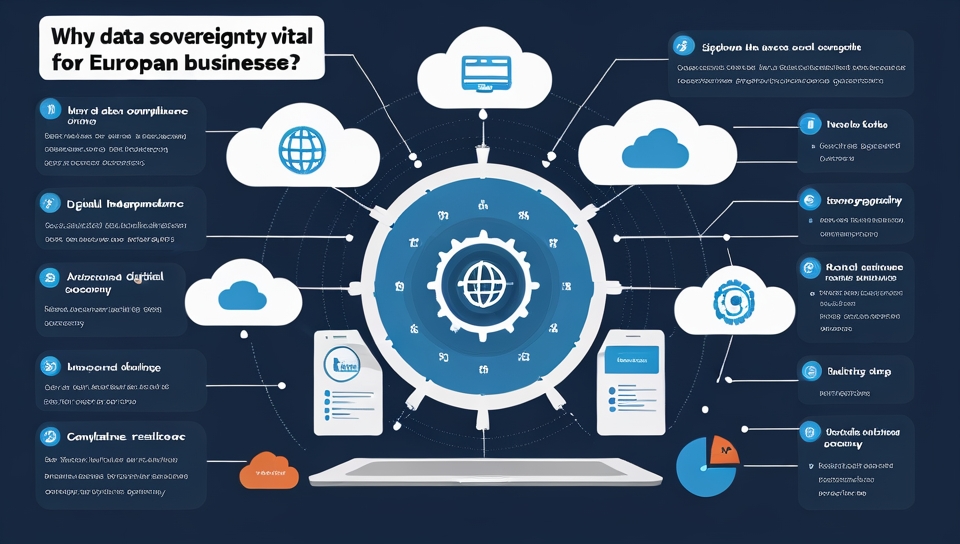
Data Sovereignty in Europe: Why It Matters for Secure Digital Growth
The Importance of Upholding Data Sovereignty in Europe
Data sovereignty has become a centerpiece in corporate strategies across Europe. With a nod to concerns from the European Parliament back in 2020, it’s clear that many citizens and enterprises are losing control over their data. This makes the discussion around data ownership more critical than ever.
Cloud giants like Amazon, Microsoft, and Google provide unprecedented scale and innovation, reshaping the sector entirely. While they bring advancements, they also introduce questions about who holds reign over data, impacting Europe’s independence and legislative influence. Moving beyond just checking compliance boxes, data sovereignty calls for empowering local operations with greater resilience and alignment with regional values and standards.
Challenges of Cross-Border Cloud Data Sovereignty
When businesses integrate cloud services across borders, they face intricate hurdles in maintaining compliance. If foreign regulations demand unauthorized data access, EU standards risk being overlooked.
The struggle is amplified with unstructured data, now forming the bulk of newly generated information. Companies often find themselves at sea, trying to pinpoint their data’s journey and ownership, especially in hybrid cloud settings. Understanding these dynamics is vital for businesses to uphold sovereignty in tune with European principles.
Evolving Landscape of Data Sovereignty
Europe is witnessing positive strides with initiatives like sovereign cloud projects. These aim to bolster control while ensuring security and scalability. However, real adoption faces obstacles like financial constraints and capability gaps. Encouragingly, major players like AWS are recognizing the need for a European Sovereign Cloud.
The challenge is turning these developments into genuine solutions beyond reinforcing dependencies. Building a future-proof European data framework remains essential for the region’s autonomy and security.
The Critical Role of Effective Data Management
Businesses today don’t need to wait for sweeping systemic changes. By implementing modern, vendor-neutral strategies, they can immediately advance in data sovereignty. Understanding data flows and locations empowers them to govern their information effectively.
Ensuring compliance while navigating complex hybrid and multi-cloud landscapes demands a consolidated view of their data environment. Categorizing data by risk and regulatory needs, and ensuring consistent governance helps maintain control.
Preventing vendor lock-in is also crucial. Flexibility across storage solutions allows for sustained compliance and access adaptability, reinforcing the importance of data management as a cornerstone for Europe’s secure digital ecosystem.
—
For more insights and strategies on data sovereignty and management solutions, visit Qsentinel.
Ready to take data security seriously?
Discover how Qsentinel can protect your organization against ransomware, enforce true data sovereignty, and stay ahead of the quantum threat. Their purpose-built workspace is designed for exactly that.

Get daily news in your inbox
The lastest on Hacks, ransomware attacks, post quantum security and more


