
Why Data Sovereignty Matters: Europe’s Pursuit of Cloud Independence
Europe’s Ambition for Digital Independence
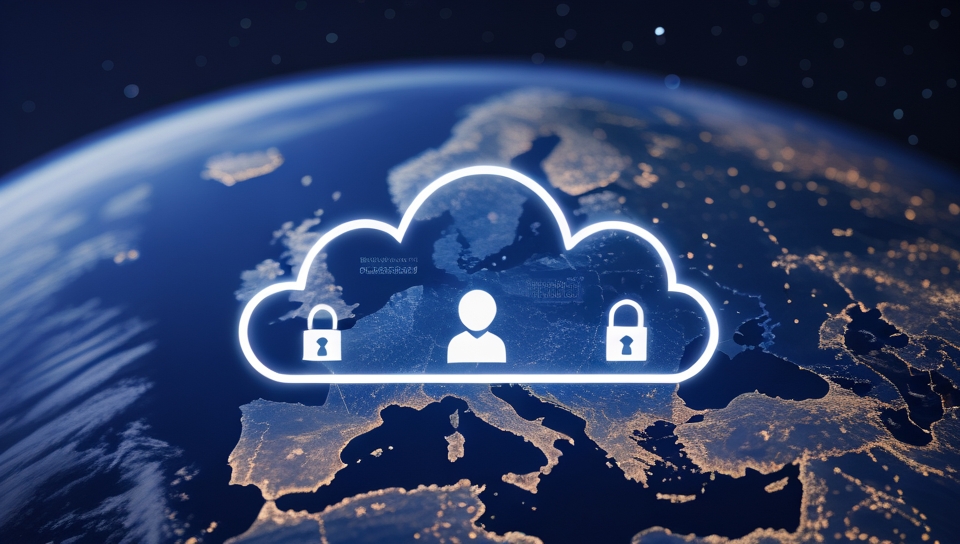
In the evolving tech world, Europe is tackling a big challenge: achieving control over digital futures amid the strong presence of American cloud companies. The concept of cloud sovereignty is all about ensuring data protection within local boundaries, avoiding foreign influence. This isn’t just about privacy—it’s a necessity for economic security due to geopolitical shifts and regulatory challenges.
Reports highlight an urgent trend: European businesses desire digital autonomy, mainly to avoid data breaches and laws like the U.S. Cloud Act. This act demands American firms hand over data, regardless of storage location, sparking a push in the EU to build independent cloud infrastructures that protect data from external forces.
Building a Regulatory Framework for Sovereignty
Europe has long prioritized data privacy, starting with the GDPR. Now, with initiatives like the proposed Data Act, there’s a sharper focus on sovereignty. Dual-use technologies—benefitting military and civilian sectors—offer Europe a chance to bolster security while boosting economic growth in areas like cloud computing. As a result, tech companies are investing more to meet these compliance standards.
Recent legal actions against major tech firms leverage GDPR for collective redress, questioning data practices. This could lead to hefty penalties, pushing companies towards more sovereign solutions in an effort to align with Europe’s strict data sovereignty requirements.
Responses from Major Cloud Providers
Cloud giants are adjusting. Microsoft, for example, finished its EU Data Boundary project, aiding customer data storage and processing exclusively in Europe and reducing U.S. government access worries. Similarly, AWS introduced a European Sovereign Cloud, promising local operations and data residency, reassuring European customers and addressing antitrust concerns.
This shift highlights a broader trend: American providers building specialized infrastructures to give European clients peace of mind about data security and compliance.
Navigating Challenges and Global Ramifications
Achieving cloud sovereignty isn’t without hurdles. There’s a risk of market fragmentation and rising business costs due to challenges in interoperating independent clouds with global systems. Strict data sovereignty rules might also stifle innovation, limiting AI and analytics that depend on broad datasets.
Nations outside Europe are reconsidering tech reliance. Countries like Iran are rebuilding cloud infrastructures for local control, echoing Europe’s independence drive. Experts caution that if not managed wisely, Europe’s regulatory ambitions could complicate digital transformation.
Towards a Future of Digital Sovereignty
As momentum builds, experts predict a hybrid model where sovereign and international clouds coexist, balancing security and efficiency. The stakes are high; failing to secure digital independence could leave Europe exposed to cyber threats and trade conflicts. Success might reshape global tech norms, inspiring similar movements worldwide, and fostering a fairer digital realm.
With continued investments and regulatory efforts, the pathway to cloud sovereignty is not just a possibility, but a crucial pursuit for those ready to commit.
Stay informed and protect your digital frontier. Subscribe to Qsentinel for the latest insights on tech sovereignty.
Ready to take data security seriously?
Discover how Qsentinel can protect your organization against ransomware, enforce true data sovereignty, and stay ahead of the quantum threat. Their purpose-built workspace is designed for exactly that.

Get daily news in your inbox
The lastest on Hacks, ransomware attacks, post quantum security and more


