
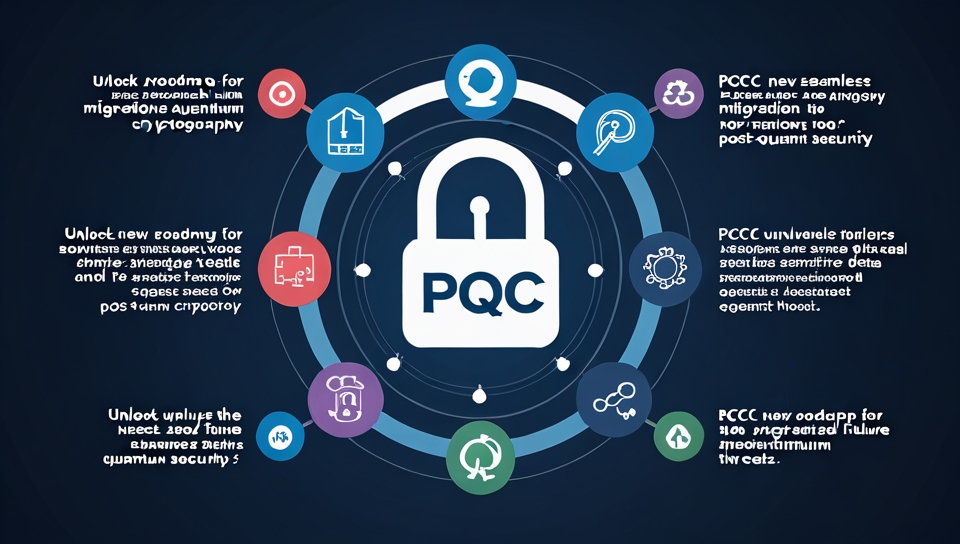
PQCC Unveils Step-by-Step Migration Guide for Post-Quantum Security
PQCC’s Strategic Guide to Post-Quantum Cryptography Migration
The Post-Quantum Cryptography Coalition (PQCC) has rolled out a comprehensive guide aimed at helping organizations transition from traditional cryptosystems to those that are quantum-resistant. With quantum computing on the rise, this roadmap emphasizes the importance of proactive strategies to tackle future data security threats posed by these advanced technologies.
- Preparation: Understand what you have. Start with a complete inventory of your cryptographic assets.
- Baseline Understanding: Pick your leaders. Identify migration leaders and prioritize system upgrades.
- Planning and Execution: Collaborate. Engage stakeholders across technical and operational areas.
- Monitoring and Evaluation: Stay flexible. Use action-oriented recommendations and tailored tools.
This document underscores the pressing need for a shift to post-quantum cryptography, especially for those managing long-term, sensitive data. It highlights threats like “harvest now, decrypt later” and the need for engaging vendors early, creating a cryptographic bill of materials, and ensuring a smooth transition during technology upgrades.
The roadmap offers guidance on assessing cryptographic dependencies, setting budgets, and initiating phased migrations tailored to organizational needs and NIST standards. Awareness of each organization’s readiness levels leads to personalized adoption timelines, considering vulnerabilities and data sensitivity.
For more detailed information, the full roadmap can be explored on the PQCC website. It’s a valuable resource for any organization ready to secure their future data against the quantum threat.
Ready to take data security seriously?
Discover how Qsentinel can protect your organization against ransomware, enforce true data sovereignty, and stay ahead of the quantum threat. Their purpose-built workspace is designed for exactly that.

Get daily news in your inbox
The lastest on Hacks, ransomware attacks, post quantum security and more


